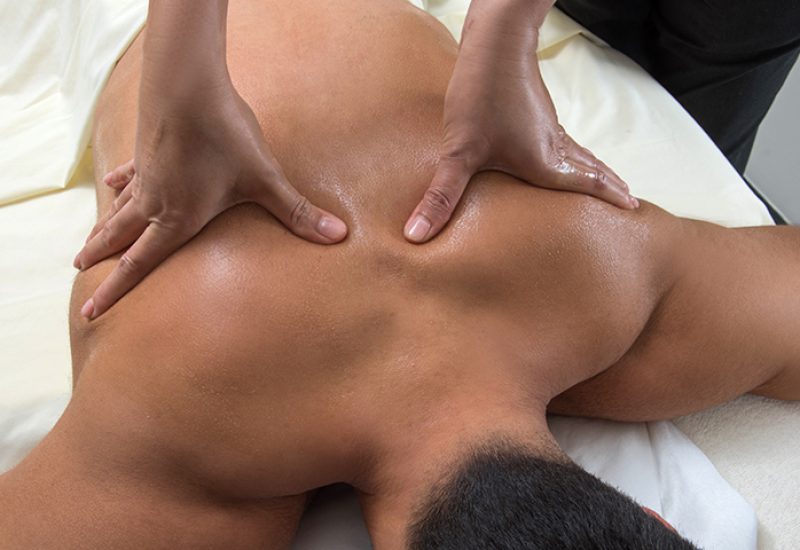
Serious athletes often dedicate months to training hard, refining nutrition, and selecting gear. Yet, countless competitors sabotage their big day by mismanaging recovery right before starting. Muscles feel tight, nerves climb, and tension builds, leading many to seek relief in ways that backfire completely.
Avoiding common errors during these final hours proves vital to success. Proper preparation includes careful timing, and booking a professional sports massage at the wrong moment ruins everything.
Why deep tissue causes damage:
Going too hard on your muscles right before an event creates micro-tears. While this process repairs tissues later, it leaves legs feeling heavy and sluggish on race morning. Deep work creates inflammation rather than freshness. Avoid aggressive techniques that break down fibers when you need them ready to fire.
Timing is everything:
Scheduling bodywork sessions too close to your start time prevents natural healing. Muscles need space to recover from the pressure. A session held within twenty-four hours of competition often leaves you feeling drained. Aim to finish all intense sessions at least three days prior.
Ignore the pain threshold:
Hard pressure signals your nervous system to stay on high alert. Excessive discomfort during a session keeps your brain in a state of stress. You want relaxation and calm, not physical agony. Choose gentle techniques that soothe the body instead of pushing past limits that invite soreness.
Forget about new techniques:
Trying a fresh method or a new practitioner during race week is a huge risk. Your body knows how it reacts to familiar routines. Novel approaches might trigger unexpected tightness or reactions. Stick to what worked well during training phases to keep results predictable and consistent.
Hydration matters after work:
Bodywork stimulates blood flow and releases waste products stored in tight areas. If you fail to drink extra water after your session, these waste products remain in the system. Proper hydration helps flush the body and prepares tissues for the strain ahead. Drink plenty of water to maintain suppleness and avoid cramping later.
Listen to your body signals:
Tightness does not always require force. Sometimes rest, stretching, or light movement helps much better than physical manipulation. If muscles feel mostly good, leave them alone. Overthinking physical sensations leads to unnecessary interference. Trust your long-term preparation and let your natural capability carry you to the finish line. Results come from consistent habits rather than last-minute fixes that disrupt your natural state.