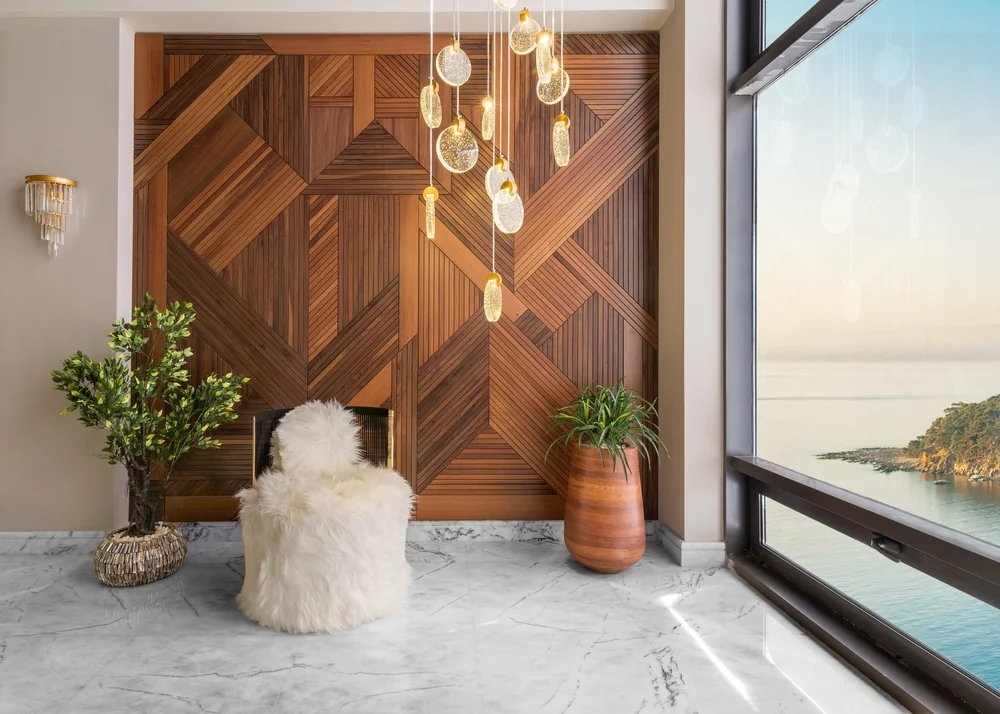
Walk into any busy office lobby, a trendy coffee shop, or a high-end retail store. What catches your eye first? Likely the smooth counters, the glossy wall panels, or the seamless reception desk. These spaces need materials that look good and work hard every single day. Artificial marble steps in as a clever answer to both beauty and practical needs. It handles spills, scratches, and heavy foot traffic without losing its shine. No wonder designers keep picking it again and again.
Here is how artificial marble brings smart solutions to commercial spaces.
Easy maintenance for busy floors:
Cleaning large floor areas takes a lot of time and effort in offices or shops. This material has a smooth surface that resists dirt and spills effectively. Regular mopping keeps the shine bright without needing expensive chemicals or heavy tools. Since it lacks deep pores, liquids stay on top instead of soaking in and causing permanent marks. This quality makes it a top choice for lobbies where foot traffic is heavy throughout the day.
Consistent patterns for large walls:
Natural stone usually has random lines that make matching different slabs very difficult. This manufactured version offers uniform colors and designs that look the same across every piece. Large wall sections look seamless because the veins line up perfectly from side to side. It creates a neat look that satisfies the eye and provides a professional finish. Designers prefer this reliability when they need to cover vast surfaces without unexpected color changes.
Strong resistance against daily wear:
Commercial areas face constant movement, dropped items, and heavy furniture. This material is built to be tough and resists scratches better than many soft stones. It stays looking new even after years of use in high-pressure environments like reception desks or cafeterias. The strength comes from the way it is made, mixing stone dust with strong resins. It handles the weight of equipment and the scraping of chairs without showing signs of damage.
Flexible shapes for custom desks:
Traditional stone is hard to bend or cut into unusual circular shapes. This option allows for creative curves and unique edges that fit specific room layouts. Makers can mold it into different forms to create rounded counters or artistic focal points. It gives builders the freedom to follow interesting architectural plans without worrying about the stone breaking. Custom furniture pieces become much easier to build when the material is this easy to work with.