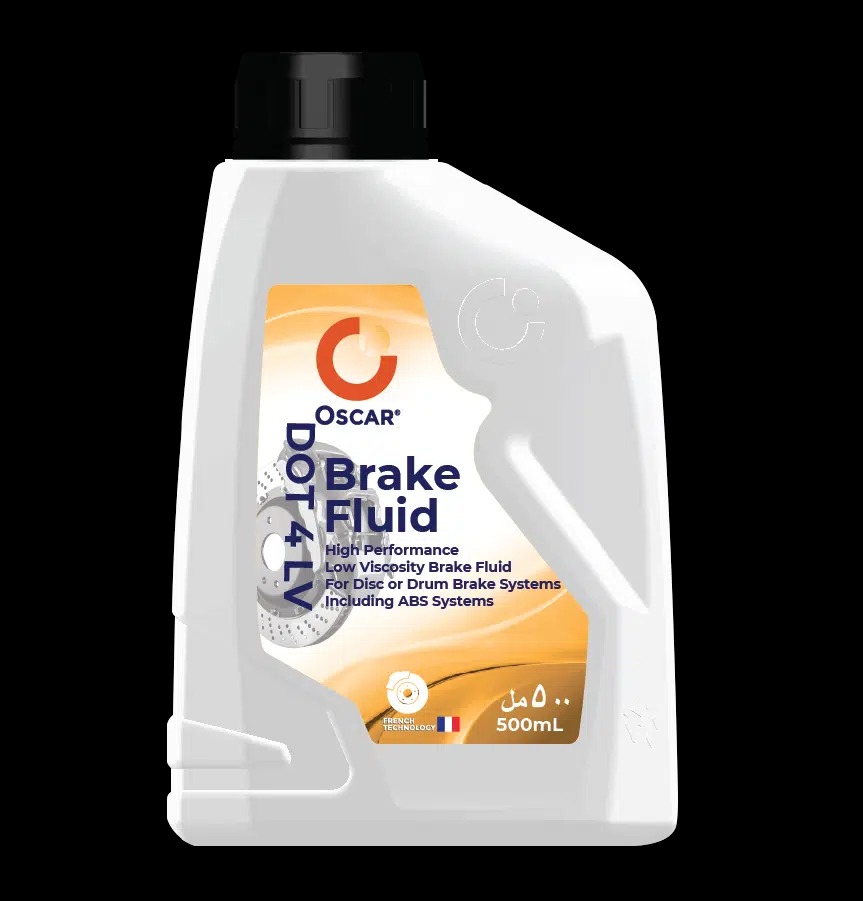
Brake fluid sits inside the vehicle, doing a job that decides how safely the car stops. Most people never check it; however, this liquid holds the entire stopping process together. From the factory to the repair shop, every bottle must meet strict rules. These rules are called DOT standards, and brake fluid manufacturers follow them very carefully to keep every drive safe.
What are DOT standards?
DOT stands for the Department of Transportation, a group that sets safety rules for vehicles. These standards create clear grades like DOT 3, DOT 4, and DOT 5.1. Each grade has different boiling points, which matter a lot. When the brakes work hard, the fluid gets hot.
If the fluid boils, bubbles form, and the pedal goes soft. That means the car will not stop properly. The standards ensure each fluid type performs well under heat and pressure.
Why boiling point is important
Boiling point is the biggest factor in brake fluid quality. The standards divide this into two numbers. One is the dry boiling point, measured when the fluid is fresh and new. The other is the wet boiling point, tested after the fluid has absorbed some moisture.
Brake fluid pulls water from the air over time. Water lowers the boiling point fast. The DOT standards set minimum temperatures for both conditions. A higher number means the fluid can handle tough stops without failing.
How moisture changes everything
Brake fluid absorbs water because of its chemical makeup. This process happens slowly, but the effects are serious. Water in the system causes corrosion inside metal parts. It also makes the fluid thinner and less effective.
The standards include the wet boiling point test to simulate this real-world problem. Brake fluid manufacturers design their products to resist moisture as much as possible, but no fluid stays perfect forever.
The difference between grades
DOT 3 and DOT 4 are the most common grades for everyday cars. DOT 4 has a higher boiling point than DOT 3, so it works better in heavier vehicles. DOT 5.1 offers even higher temperatures and suits performance cars. Each grade fits a different need.
The vehicle maker decides which grade to recommend based on the braking system’s design. Using the wrong grade can lead to poor braking or damage. The standards make this choice clear for everyone.