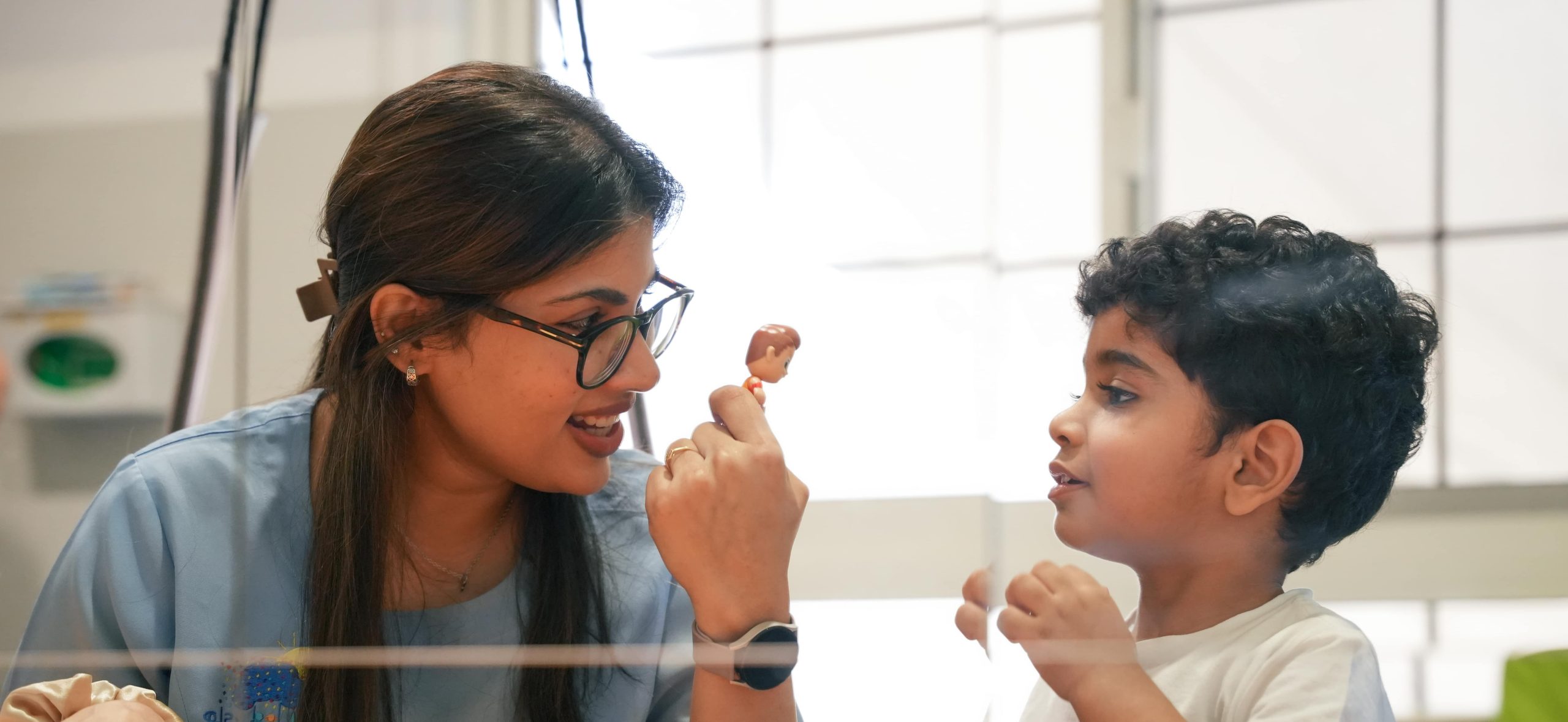
Silence fills the room where giggles and babble should live. Parents wait for that first clear word while watching other children speak in full sentences. Small hearts heavy with worry look for answers every single day. Helping a child find their voice is a beautiful task that changes lives. Professionals at the speech clinic Dubai offer the right support to bridge this quiet gap for families.
Early signs to watch
Watching how a child interacts with others reveals a lot. Some toddlers use gestures like pointing or waving instead of using their voices. Others might follow simple directions but struggle to produce sounds. It is important to notice if a child stops using words they once knew. Early observation helps experts create a plan that fits the specific needs of the little one.
Play as a tool
Learning happens best when a child is having fun. Therapists use toys, bubbles, and colorful books to spark a desire to talk. When a toddler wants a specific toy, they find a reason to communicate. This natural setting encourages them to use sounds without feeling any pressure. Play builds a strong bridge between silence and the very first spoken words.
Building core skills
Communication is about much more than vocal cords. Eye contact and taking turns are the building blocks of every conversation. Toddlers learn to look at faces and mirror the expressions they see. These basic social habits create a foundation for verbal language later. Every small nod or smile is a victory on the path to speaking clearly.
Routine and repetition
Kids love knowing what comes next in their day. Using the same words during bath time or meals helps a toddler learn language patterns. Repetition makes new sounds familiar and less scary to try. Simple songs and rhymes also help children predict language. Constant exposure to clear speech makes a huge difference over time.
Involving the family
Parents are the best teachers a child can have. Experts show moms and dads how to narrate daily life at home. Talking about the red apple or the blue ball helps the child connect objects to names. This teamwork ensures that learning does not stop when the clinic session ends. A supportive home makes every word feel possible.